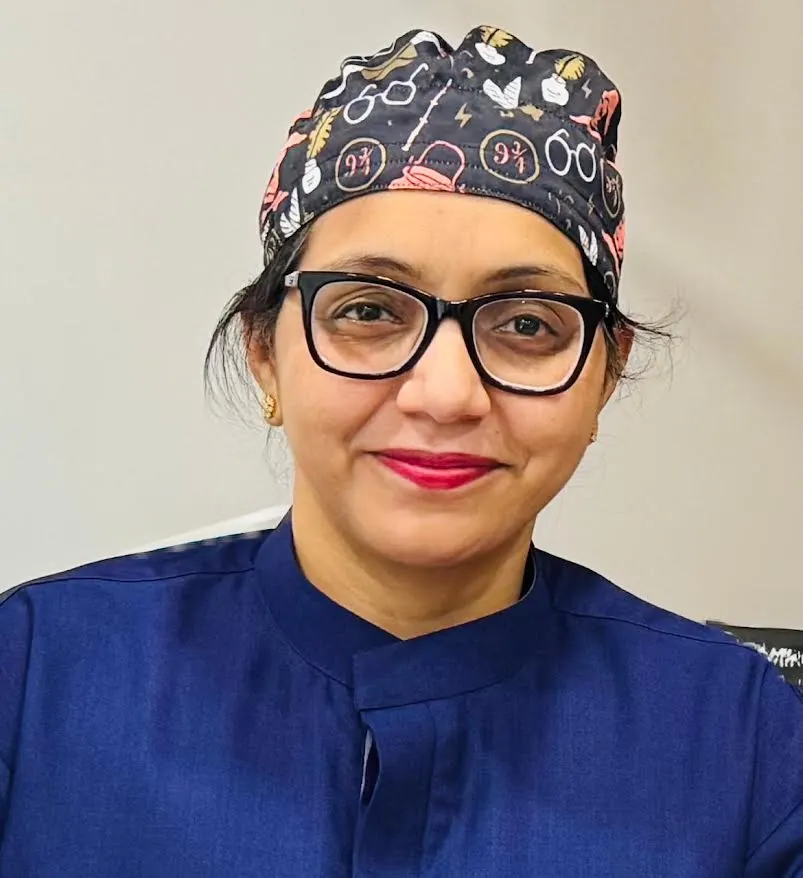
Endodontist in Delhi, Dwarka


Dr. Pankaj Rao - Endodontist Delhi (Dwarka)
4.9 ★ Google Verified
PRACTO
5.0 ★ Patient Stories

Quality Endodontic Treatment (RCT) by the Best Endodontist in Delhi, Dwarka

Why Choose Dr. Pankaj Rao for the Best Endodontic Treatment in Delhi (Dwarka)?

In specialized dentistry, precision is the difference between a temporary fix and a lifetime solution. Get the best Endodontic Treatment (RCT / Re-RCT) from Dr. Pankaj Rao; the best Endodontist in Delhi, Dwarka (Near I.G.I Airport & Aerocity). She is widely recognized as the most experienced Endodontist in the region for complex tooth preservation.

We ensure your natural teeth remain exactly where they belong—in your smile. Our clinic offers painless and precise RCT by combining world-class clinical expertise with advanced diagnostic technology, including surgical Microscopes, Lasers, RVG digital imaging, Intra Oral Cameras, Medical loupes, and industry-leading 3D Scanners.

When performed by an experienced specialist and maintained with routine care, a successful RCT can easily last for over 20 years. Experience the highest standard of painless, zero-guesswork care at Oraa Care Smile Dental Clinic today.

Immense Clinical Expertise

✓ 20+ Years Clinical Focus ✓ Complex Root Canal Specialist ✓ Pulp & Nerve Preservation Expert

General dentistry is excellent for restorative needs, but endodontics requires a hyper-specialized focus on the complex internal anatomy of the dental pulp and nerve chambers. When cases involve curved, calcified, or anatomically challenging canals, Dr. Pankaj Rao’s specialist hand ensures the root structure is treated with micro-precision. We prioritize natural tooth preservation over extraction-based protocols.

Advanced Diagnostic Blueprint

✓ 25X Surgical Microscopy ✓ 3D CBCT Volumetric Imaging ✓ Bio-Ceramic Sealing Tech

At Oraa Care, we reject “blind” clinical assumptions. Our diagnostic infrastructure is built on visual clarity, utilizing volumetric 3D CBCT imaging in tandem with 25X magnification surgical microscopy.. This “medical detective” approach allows us to see internal fractures, hidden infections, and anatomical variations that standard digital X-rays miss, guaranteeing predictable outcomes.

The “Patient-First” Perspective

We acknowledge that endodontic treatments are often a source of apprehension for patients. Dr. Pankaj Rao’s practice is built on the philosophy that comfort is the primary prerequisite for complete healing. We dedicate ample time to detailing your clinical treatment plan and providing thorough answers to every inquiry. Our clinic is designed to mirror the calm of a home environment—hygienic, clutter-free, and professional—ensuring you feel at ease.

Endodontic Care Near I.G.I. Airport & Aerocity

Conveniently located in Dwarka, our clinic is easily accessible for patients across Delhi, Haryana, and the NCR. Our proximity to the Dwarka Expressway, I.G.I. Airport and Aerocity makes us the preferred choice for outstation patients seeking high-end, precision dental imaging and treatment on a tight travel schedule.

The “Zero-Guesswork” Clinical Blueprint

Discover how we combine world-class endodontic expertise with elite diagnostic technology to guarantee precision at every millimeter of your tooth.

3D CBCT Dental Diagnostics Delhi
Step 1: Volumetric Mapping

3D CBCT Diagnostics

Standard 2D X-rays often hide complex root structures. Our in-house 3D CBCT scanner allows us to virtually map the exact topography of your tooth before treatment begins. By identifying hidden canals (like the elusive MB2) and internal micro-fractures, we eliminate clinical assumptions and ensure no infection is left behind.
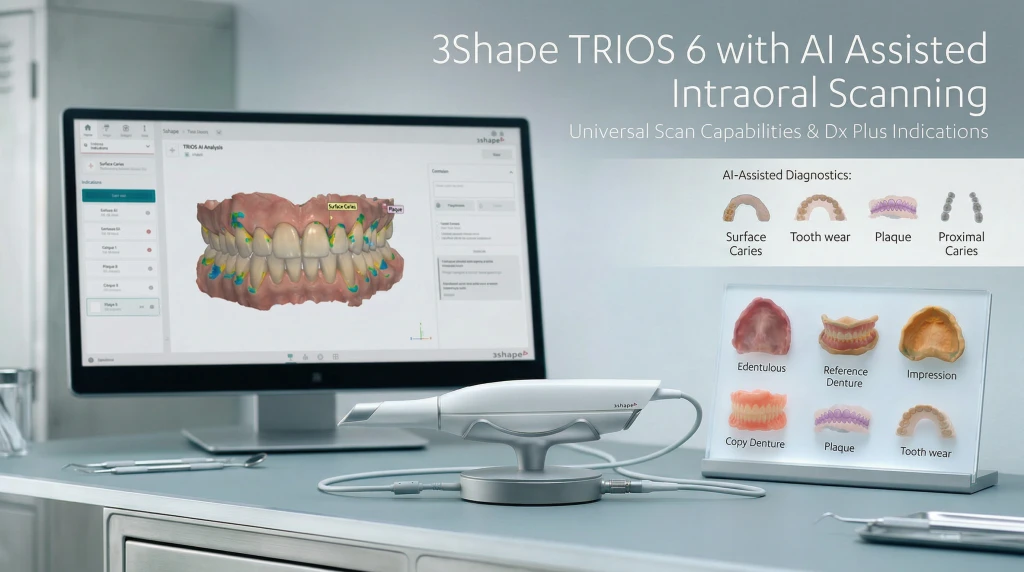
3Shape Trios 6 Intraoral Scanner
Step 2: Digital Impressions

3Shape Trios 6 Intraoral Scanning

Say goodbye to gag-inducing, messy putty impressions. The 3Shape Trios 6 scanner captures highly accurate, full-color 3D digital impressions of your mouth in seconds. This allows us to design your post-RCT crowns and restorations with micron-level precision, ensuring a perfect, natural fit on the very first try.
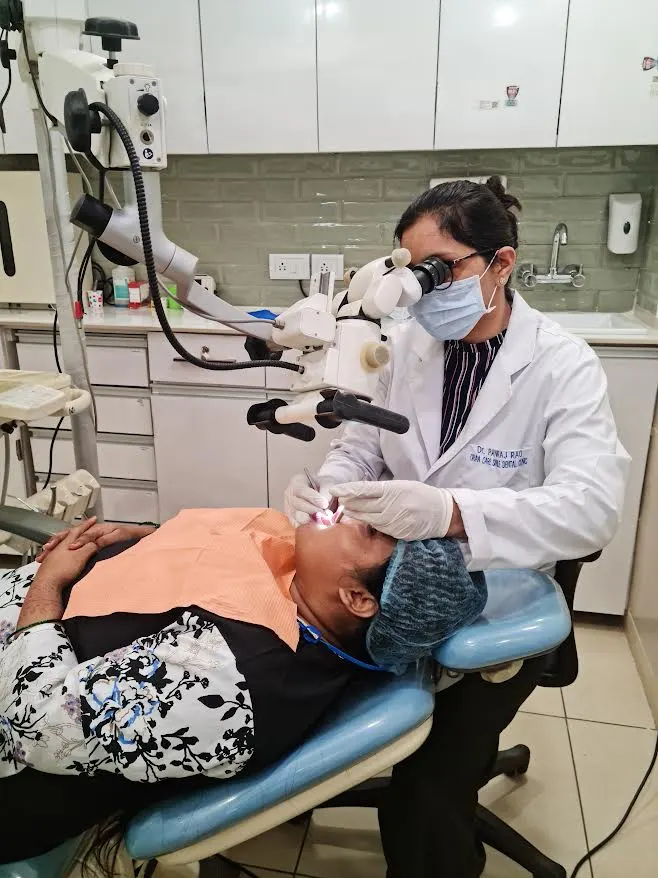
Surgical Endodontic Microscope
Step 3: Micro-Precision

Surgical Endodontic Microscope

Endodontics is a discipline of microscopic margins. Dr. Pankaj Rao utilizes an advanced Surgical Microscope to illuminate and magnify the deep, dark channels of the tooth root up to 25X. This extreme visibility allows for the precise removal of infected tissue while preserving the maximum amount of your healthy, natural tooth structure.
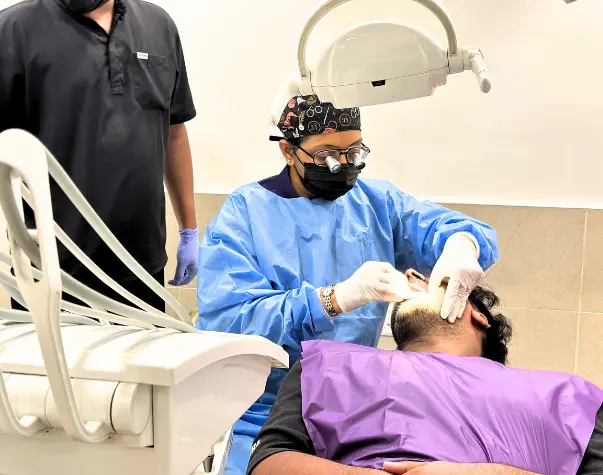
ZEISS EyeMag Medical Loupes
Step 4: Continuous Focus

ZEISS EyeMag Medical Loupes

Uncompromising focus requires the best optics in the world. Equipped with authentic ZEISS Medical Loupes, our specialists maintain continuous, crystal-clear magnification throughout the entire duration of your procedure. This translates directly into safer, faster, and more predictable outcomes for our patients.
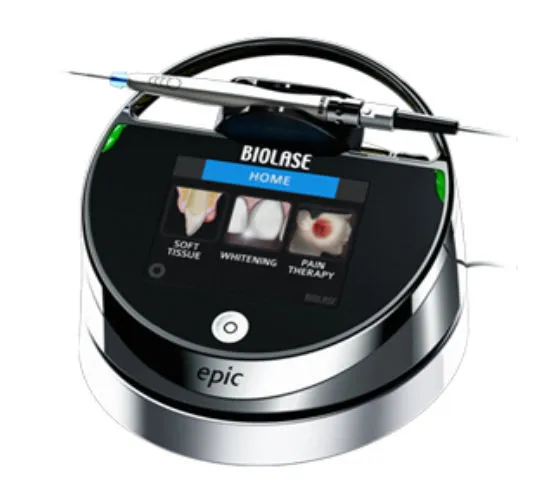
Biolase Epic X Diode Dental Laser
Step 5: Painless Healing

EPIC™ X Biolase Soft-Tissue Laser

The final step to a perfect Root Canal is absolute disinfection. Our EPIC™ X Diode Laser eliminates deep-seated bacteria inside the root canals that standard chemical rinses cannot reach. The laser’s bio-stimulation properties drastically reduce post-operative inflammation, guaranteeing a virtually painless recovery.

Ready to Save Your Natural Tooth?

Don’t leave your dental health to guesswork. Experience specialized, micro-precision care with the top Endodontist in Delhi.

Book Your Specialist Consultation

Endodontics: Understanding the Foundation of Tooth Health

The term “Endodontics” originates from the Greek words endo (inside) and odont (tooth). While general dentistry focuses on the external shell and preventive hygiene, endodontics is a specialized discipline dedicated exclusively to the biology of the tooth’s interior—the pulp and root canal system.

A tooth is more than a calcified cap; it is a living organ. Deep within the dentin lies the pulp, a complex network of nerves, blood vessels, and connective tissue that sustains the tooth’s vitality. When deep decay, trauma, or cracks penetrate this internal environment, it triggers inflammatory and infectious processes that require immediate, specialized intervention.

Who is an Endodontist, and Why Does Specialization Matter?

An Endodontist is a dental specialist who has completed advanced postgraduate training (MDS) specifically focused on the pulp and root canal system. Beyond the standard undergraduate dental curriculum, these specialists undergo years of intensive clinical residency to master the microscopic anatomy of human teeth.

When you choose an Endodontist over a general practitioner, you are prioritizing structural longevity. Endodontists possess an “anatomical intuition”—an ability to navigate complex, calcified, or multi-rooted tooth structures that are frequently missed in general clinical settings.

Key Advantages of Specialist-Led Care:

  • Predictable Outcomes: Specialized training significantly reduces the failure rate of root canal procedures.
  • Anatomical Precision: Ability to identify and treat atypical canal configurations (such as MB2 canals).
  • Natural Preservation: An unwavering clinical commitment to saving your natural tooth architecture rather than defaulting to extraction and implants.
  • Emergency Efficiency: Specialists are optimized for immediate pain resolution and complex trauma management.

Clinical Indications for Endodontic Therapy

Endodontic issues often manifest through subtle physiological cues. When internal tooth health is compromised, your body provides distinct warning signals. Recognizing these indicators early is critical for preserving your natural tooth structure.

Persistent Periapical Pressure

A throbbing sensation localized to the jawbone often indicates a periapical abscess. This pressure, particularly during mastication (chewing), is a hallmark of an infection at the root apex.

Thermal Hypersensitivity

If thermal stimuli (hot/cold) trigger pain that lingers for >30 seconds, the dental pulp is likely in a state of irreversible pulpitis, necessitating immediate endodontic intervention.

Structural “Zing” (Fracture Signs)

Sudden, sharp pain upon biting down, which dissipates immediately, is often indicative of a micro-crack—a structural vulnerability that requires microscopic diagnostic evaluation.

Traumatic Displacement

Post-injury sensations of tooth mobility or misalignment suggest trauma to the internal neurovascular bundle. Immediate stabilization is required to prevent necrosis of the pulp.

The Pathology of Periapical Swelling

Swelling is not a superficial symptom; it is an alarm system. When an endodontic infection breaches the apical foramen, the resulting pressure forces inflammatory exudate into the surrounding periodontium and soft tissues.

  • Clinical Sign: A “heavy” or puffy sensation in the cheek, jaw, or gums.
  • Medical Risk: Left untreated, localized infections can progress into cellulitis—a systemic medical emergency.
  • Oraa Care Protocol: Dr. Pankaj Rao utilizes immediate diagnostic intervention to localize the infection and initiate drainage and debridement, effectively pulling the patient out of the “danger zone.”

The Endodontic Treatment Roadmap

We treat teeth as biological assets. Our protocols are designed to restore function while maintaining the integrity of the natural dentition.

  1. Modern Root Canal Therapy (RCT): Under 25X magnification, we perform precise debridement of infected pulpal tissue, utilizing bio-ceramic sealers to create a hermetic, bacteria-proof barrier.
  2. Specialist Re-RCT: Our facility is a regional center for failing endodontic treatments. We isolate missed canals, remove faulty filling materials, and re-establish a sterile environment for tooth survival.
  3. Micro-Surgical Apicoectomy: For periapical lesions inaccessible via the root canal, we perform targeted root-end surgery to eliminate infection at the source.
  4. Trauma Stabilization: For sports or accidental injury, our emergency stabilization protocol is designed to re-vascularize the damaged nerves and save the natural tooth.

Is your tooth showing signs of distress? Do not wait for the infection to progress.

Schedule a Clinical Diagnostic Assessment

The Role of Crowns: Protecting Your Endodontic Investment

Importance of Crowns

A root canal procedure is only half of the journey. The final, critical step in preserving your natural tooth is the placement of a permanent crown. Following the removal of the infected pulp and internal nerve tissue, the remaining dentin structure requires structural reinforcement to withstand daily occlusal forces.
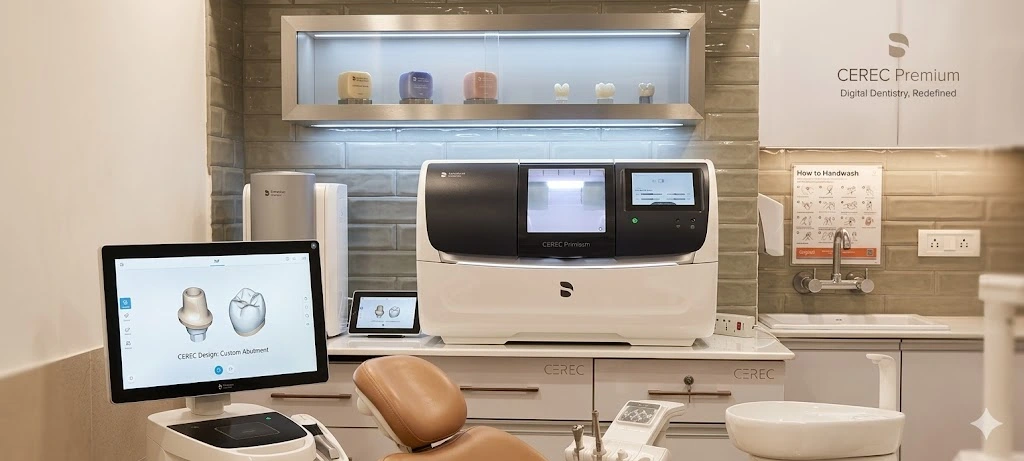
CEREC Primemill Zirconia Restoration

Same-Day Zirconia with CEREC Primemill

We believe your time is as valuable as your smile. Oraa Care is equipped with the CEREC Primemill, the gold standard in CAD/CAM technology. This allows us to provide instant, high-strength Zirconia restorations in a single visit.

  • Precision Fit: CAD/CAM design eliminates the inaccuracy of traditional molds.
  • Instant Placement: Eliminate the need for temporary crowns and multiple clinic visits.
  • Biocompatible Strength: Zirconia offers unparalleled durability that mimics your natural tooth structure.

Why Crown Protection is Essential

  • Structural Reinforcement: A crown acts as a protective “thimble,” shielding the tooth from vertical root fractures.
  • Hermetic Seal: Permanent crowns provide an airtight seal against coronal microleakage, the leading cause of RCT failure.
  • Functional Occlusion: We design your restoration to balance your bite, ensuring the pressure is evenly distributed across your arch.
Clinical Insight: By combining endodontic precision with CEREC CAD/CAM technology, we offer a seamless transition from root canal to a permanent, beautiful restoration—often within the same day.

The Healing Protocol

Defining Clinical Success

A root canal is not just about symptom relief; it is a clinical intervention designed to foster biological healing. At Oraa Care, we define success through objective radiographic and clinical benchmarks:

  • Resolution of Periapical Radiolucency: Utilizing follow-up 3D CBCT imaging to document the regeneration of bone tissue at the root apex.
  • Bio-Ceramic Integration: Confirming the hermetic seal of the root canal system, preventing micro-leakage and long-term re-infection.
  • Functional Stability: Ensuring the tooth is asymptomatic and resilient under normal occlusal forces.
  • Periodontal Health: Verifying that the surrounding gingival tissues remain free of inflammation and pocketing.

Painless, Single-Sitting RCT: Efficiency Meets Precision

Single-Sitting RCT

Modern endodontics, when executed with 25X magnification and laser decontamination, often allows for a Single-Sitting RCT. Dr. Pankaj Rao’s protocol minimizes structural fatigue, allowing you to complete the procedure in a single, comfortable visit without compromising on the long-term success of the seal.

Ensuring Longevity

Post-Treatment Care

The success of your endodontic procedure is a partnership between clinical precision and patient care. Follow these essential maintenance guidelines to safeguard your natural tooth and ensure its longevity:

  • Occlusal Restraint: Avoid heavy chewing on the treated tooth for 24–48 hours until the final restoration (crown/overlay) is placed.
  • Restorative Completion: Post-endodontic teeth are susceptible to structural compromise; a permanent crown is essential to provide full coronal coverage and prevent catastrophic fracture.
  • Routine Vigilance: Bi-annual clinical evaluations ensure the integrity of the tooth-restoration interface.

Endodontic Myths vs. Clinical Facts

Myth: RCT causes systemic illness.
Fact: Extensive clinical research consistently confirms that endodontic therapy is a safe, evidence-based procedure with no substantiated link to systemic illness. It is the gold standard for infection control.
Myth: RCT is painful.
Fact: Modern anesthesia and laser decontamination make the process virtually painless.
Myth: Extraction is faster/cheaper.
Fact: Extraction leads to bone loss and complex replacement costs; saving the natural tooth is almost always the more economical long-term choice.

Frequently Asked Endodontic Questions

FAQs

How long will my RCT-treated tooth last?

With proper crown restoration and routine hygiene, it is common for a treated tooth to remain functional for 20+ years or a lifetime.

Is Re-RCT always better than an implant?

If the root architecture is intact, preserving the natural tooth is biologically superior due to proprioception (the ability to feel the tooth bite) which implants lack.

Why is my tooth darkened after RCT?

Discoloration can occur due to internal debris or the material used; our practice offers internal bleaching and aesthetic ceramic crowns to restore natural color.